Top Corrugated Shipping Box Types for Your Packaging Needs?
In the fast-evolving world of logistics, understanding the right packaging is crucial. The "Corrugated Shipping Box" has emerged as a key player in this sector. According to a 2023 report by Smithers Pira, the global market for corrugated boxes is expected to grow by 4.3% annually, reaching $310 billion by 2026. This surge reflects their importance in eco-friendly packaging solutions and cost-effective shipping.
Dr. Emily Carter, an expert in packaging technology, states, “Choosing the right corrugated shipping box can drastically reduce shipping costs and improve product safety.” There is an array of options available, each with unique features. Some boxes are designed for specific goods, ensuring they are protected during transit. Yet, companies often overlook their strengths, relying on outdated materials. This oversight could impact both their budget and the overall customer experience.
Hence, understanding the types of corrugated boxes available is essential for businesses looking to optimize packaging. Attention to detail in selecting the appropriate box can lead to better outcomes. Let's delve deeper into various corrugated shipping box types that cater to diverse packaging needs.

Types of Corrugated Boxes: An Overview of Shipping Solutions
When it comes to shipping solutions, choosing the right type of corrugated box is crucial. These boxes are made from layers of paper and are designed to offer strength and protection. Different styles cater to various shipping needs. Regular slotted containers (RSC) are common due to their versatility. They are easy to assemble and provide good cushioning.
Another popular option is die-cut boxes. They can be customized to fit specific products. This tight fit reduces movement during transit. Many businesses favor them for fragile items. Fanfold boxes are also worth mentioning. They consist of several layers and can be folded flat. This design saves space during storage and transportation.
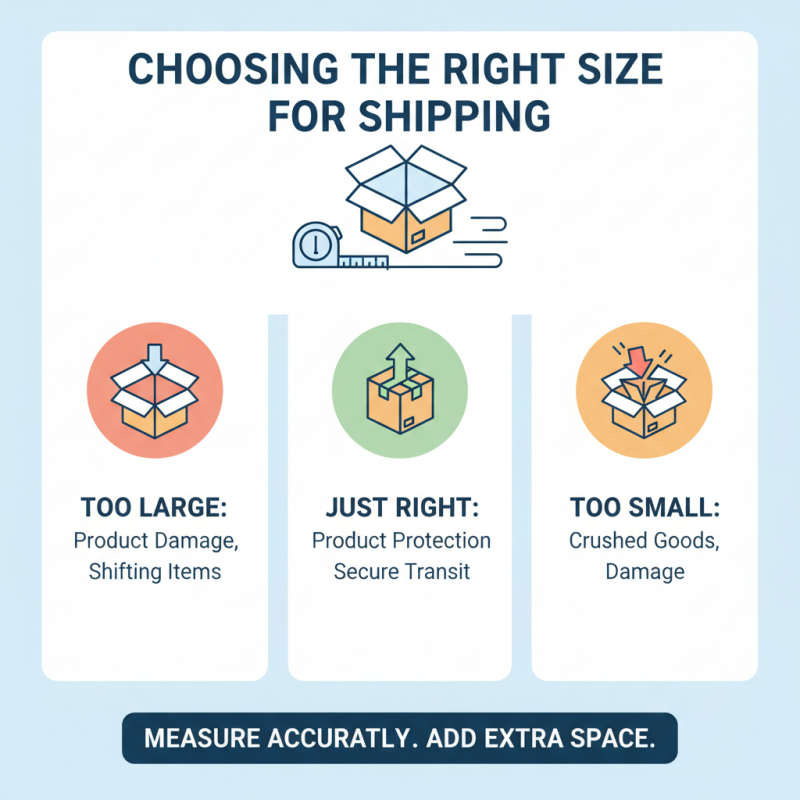
While it's essential to choose the right box, not all companies get it right. Some underestimate the importance of proper sizing or weight capacity. Oversized boxes can lead to increased shipping costs and damaged goods. Evaluating the packaging process is vital for any business. A well-chosen box can enhance customer satisfaction and reduce returns.
Top Corrugated Shipping Box Types
This chart provides an overview of the most commonly used types of corrugated boxes for shipping purposes. Understanding the market demand for each type can help optimize packaging strategies.
Understanding the Structure of Corrugated Shipping Boxes
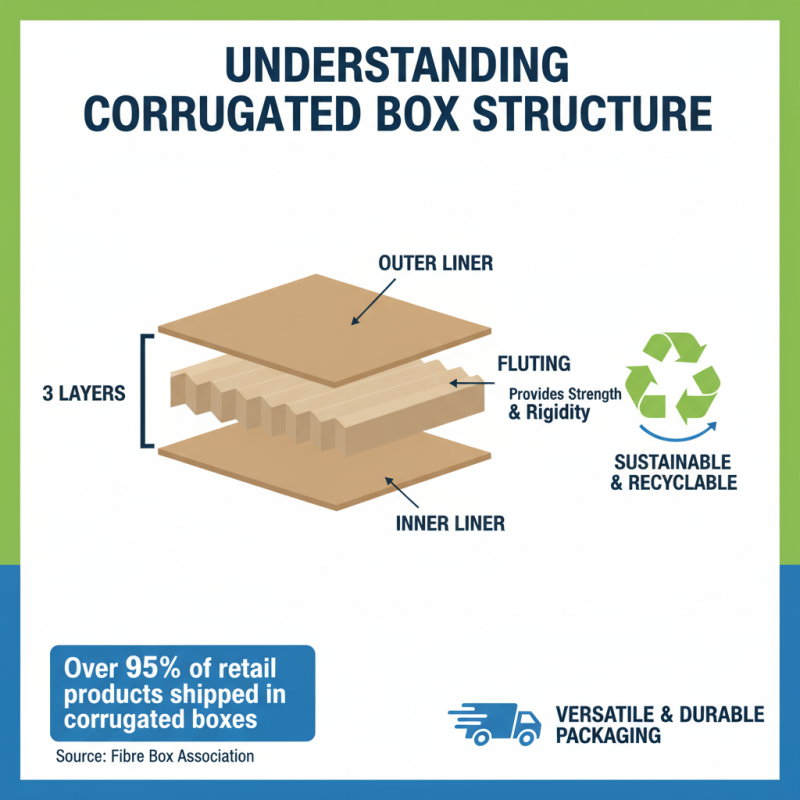
When selecting corrugated shipping boxes, understanding their structure is crucial. These boxes typically consist of three layers: an inner liner, fluting, and an outer liner. The fluting, which is the corrugated layer, provides strength and rigidity. The material used in these layers greatly affects their durability. According to a report from the Fibre Box Association, over 95% of all retail products are shipped in corrugated boxes due to their versatility and sustainability.
Consider the various types of corrugated board, like single-wall, double-wall, and triple-wall configurations. Each type offers a different level of protection. Single-wall boxes are common for lightweight items, while double-wall and triple-wall options are better for heavy or fragile products. A study by the American Forest & Paper Association highlights that corrugated boxes can withstand a significant amount of pressure. This durability is critical in preventing damage during transit.
While corrugated boxes are reliable, they are not foolproof. Factors like moisture and temperature can weaken the material. According to industry reports, improper storage can lead to increased costs from damaged goods. Companies often overlook the impact of climate on their packaging choices. As we continue to innovate in shipping solutions, a deeper understanding of box structure can optimize both performance and cost-efficiency.
Common Styles of Corrugated Boxes and Their Uses
When selecting corrugated boxes, understanding common styles is vital. The most used type is the regular slotted container (RSC). It features flaps that meet in the center. This design is ideal for shipping various items. These boxes provide robust protection during transport. However, sometimes, they may not fully secure fragile products. It's important to add adequate cushioning.
Another popular style is die-cut boxes. These boxes can be customized to fit specific items. Their unique shapes allow for efficient packing. Yet, they may cost more due to the custom design. Companies should weigh their budget against their packaging needs before choosing this option.
Finally, there are full-overlap (FOF) boxes. These offer extra strength by overlapping flaps. They are perfect for heavy or bulky items. But remember, their size can complicate storage. If space is limited, finding the right balance is essential. Explore different styles and make informed decisions for your packaging strategy.
Factors to Consider When Selecting a Corrugated Box for Packaging
Selecting the right corrugated box for your packaging needs involves various factors.
Size is crucial. A properly sized box minimizes movement during transit.
This reduces the risk of damage. Measure your products carefully. Allow for some cushioning, but avoid excessive space.
The strength of the box is another consideration. Different types are available, such as
single-wall or double-wall boxes. Heavier items often require a double-wall box for better protection.
Understanding the weight and fragility of your items helps in making this decision.
Moisture resistance can’t be overlooked. In some cases, your products may be exposed to humidity.
A box with added moisture protection keeps contents safe. Additionally, printing or branding on boxes can enhance visibility.
Consider how much space you need for this. Evaluating these factors can lead to better packaging decisions.
Sometimes, trial and error helps in finding the perfect fit.




 +86-4000-808176
 +8618059761903