



 +86-4000-808176
 +8618059761903


How to Find a Custom Compostable Food Container Manufacturer in China with EN 13432 and ASTM D6400 Certification?
Choosing a Certified Partner for Sustainable Packaging
Are you struggling to balance your brand's commitment to sustainability with the rigorous demands of food safety? Do you find it challenging to source packaging that not only withstands heat and moisture but also decomposes without leaving a trace? Is your business looking for a reliable partner capable of navigating the complex landscape of international eco-certifications? In the current global shift toward environmental responsibility, finding a Custom Compostable Food Container Manufacturer in China has become a strategic priority for food service providers worldwide. These compostable food containers, often crafted from plant-based materials like sugarcane pulp or specialized paper, offer a viable alternative to single-use plastics by breaking down into nutrient-rich compost under specific conditions, thereby reducing landfill waste and carbon footprints.
The Evolution of the Global Sustainable Packaging Industry
The packaging industry is currently undergoing a transformative phase driven by legislative pressure and consumer consciousness. For decades, the convenience of plastic dominated the food service sector, but the resulting environmental degradation has sparked a worldwide movement toward circular economies. Today, the demand for sustainable alternatives is no longer a niche market trend; it is a fundamental shift in how global commerce operates. Governments across Europe, North America, and Asia are implementing strict bans on single-use plastics, forcing businesses to rethink their supply chains.
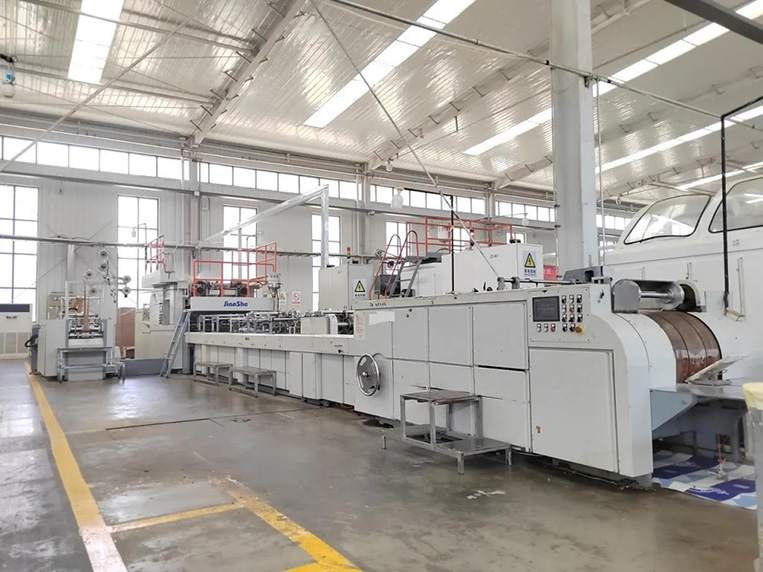
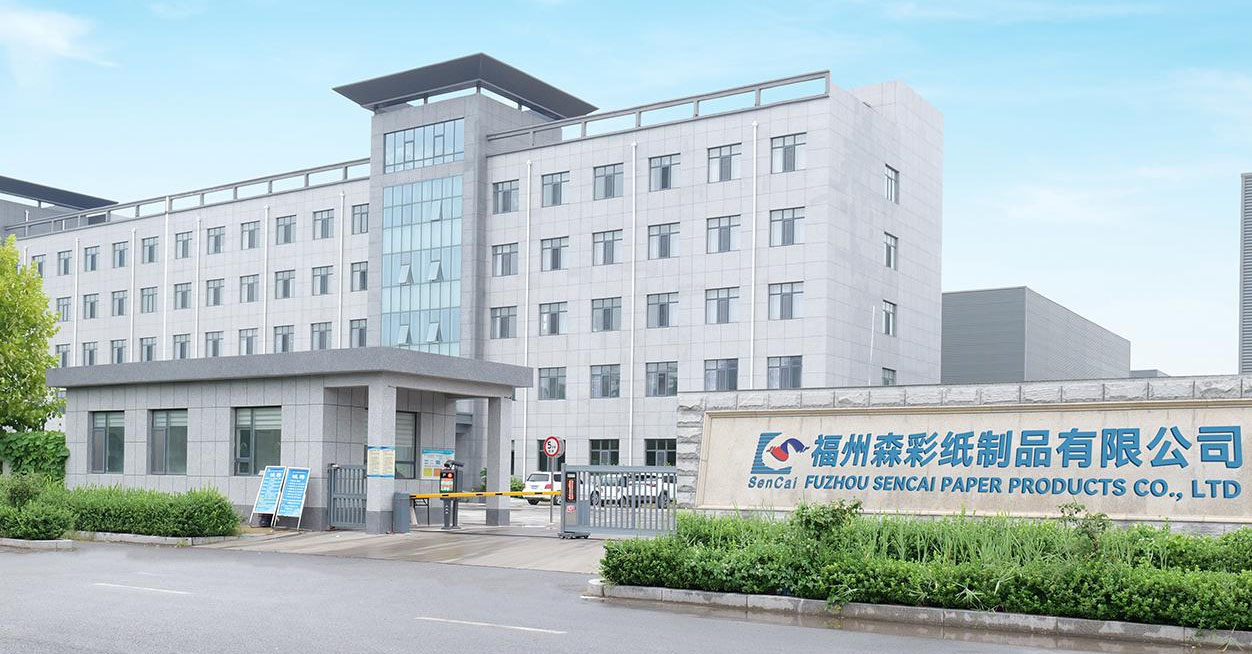
Within this landscape, China has emerged as a sophisticated hub for eco-friendly manufacturing. Moving beyond its reputation for high-volume production, the Chinese packaging sector has invested heavily in research and development to create materials that rival the performance of traditional polymers. This is where long-standing industry leaders like Sencai (Fuzhou Sencai Paper Products Co., Ltd.) play a pivotal role. Founded in 2004, Sencai has spent over 20 years deeply engaged in the packaging and printing industry, evolving alongside these global trends. The integration of advanced biotechnology into manufacturing processes has allowed such enterprises to create containers that are not only functional but also truly biodegradable. As global logistics become more integrated, the ability to partner with a manufacturer that combines large-scale production capacity—Sencai, for instance, operates over 10,000 square meters of production space—with a deep understanding of sustainable material science has become a significant competitive advantage for international brands.
Understanding the Benchmarks: EN 13432 and ASTM D6400 Certifications
When evaluating a manufacturer, the technical specifications of their products are paramount. In the realm of compostable packaging, two certifications stand as the "gold standard": EN 13432 and ASTM D6400. Understanding these standards is critical for any business that wishes to avoid the pitfalls of "greenwashing" and ensure their packaging is legally compliant in various jurisdictions.
EN 13432 is a European standard that defines the requirements for packaging recoverable through composting and biodegradation. To meet this standard, a product must undergo rigorous testing in four areas: biodegradation (chemical breakdown), disintegration (physical breakdown into small pieces), absence of negative effects on the composting process, and low levels of heavy metals. Similarly, ASTM D6400 is the equivalent standard in the United States, specifically focusing on plastics and products designed to be composted in municipal and industrial facilities.
Securing these certifications is an arduous process that requires a manufacturer to maintain exceptional control over their raw materials and production environment. For a business, sourcing from a manufacturer that holds these certificates provides a guarantee of quality and environmental integrity. It ensures that the "compostable" label is backed by scientific evidence, protecting the brand from legal liability and building trust with environmentally conscious consumers. These certifications facilitate easier entry into international markets where eco-regulations are strictly enforced, serving as a passport for global trade in the green sector.
Navigating Market Diversity and Technical Excellence
The market for compostable food containers is vast and varied, ranging from simple paper wraps to complex, molded fiber structures. However, the quality of these products can be inconsistent. Some containers may soften too quickly when in contact with hot liquids, while others might fail to decompose as promised due to the use of non-certified additives. This disparity highlights the importance of choosing a partner that prioritizes technical precision and material purity.
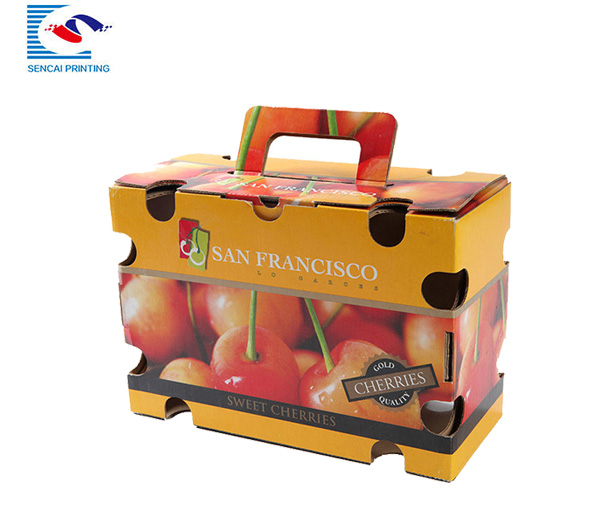
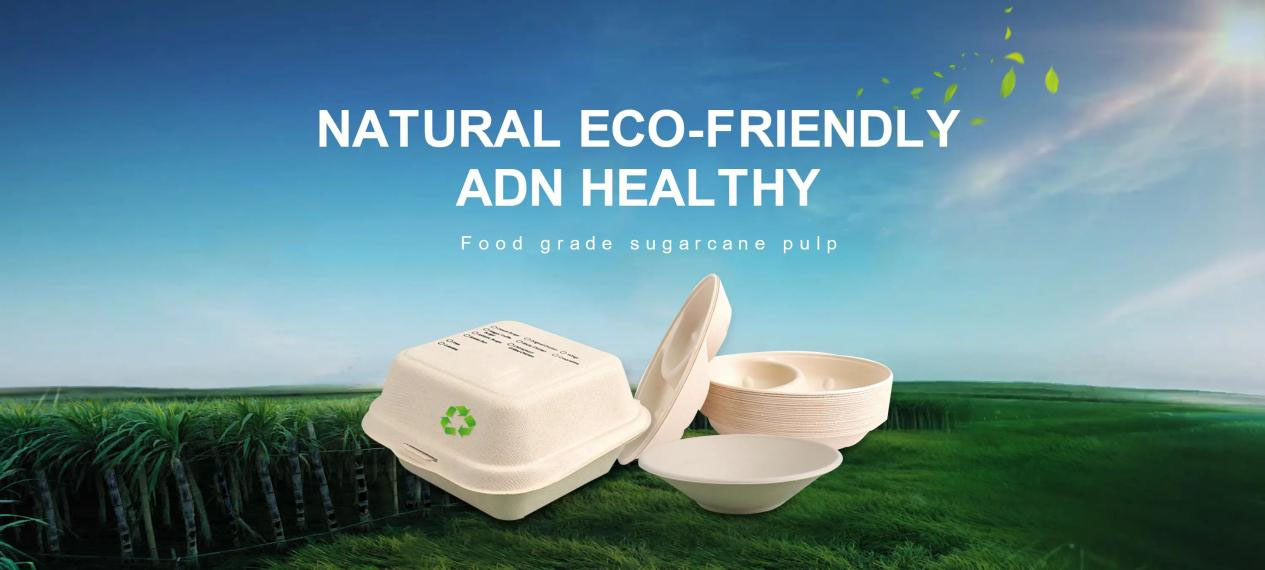
Sencai has navigated this evolution by focusing on the intersection of traditional printing excellence and modern material science. The company has introduced advanced printing equipment, such as German-manufactured Roland 700 printing presses and high-precision guillotine cutters, to ensure that functional packaging also meets high aesthetic standards. Their product range, which includes sugarcane pulp containers and custom paper boxes, reflects the diversity required by the modern food industry. Sugarcane pulp, or bagasse, is particularly noteworthy for its durability and natural resistance to oil and water, making it an ideal medium for high-performance food service items.
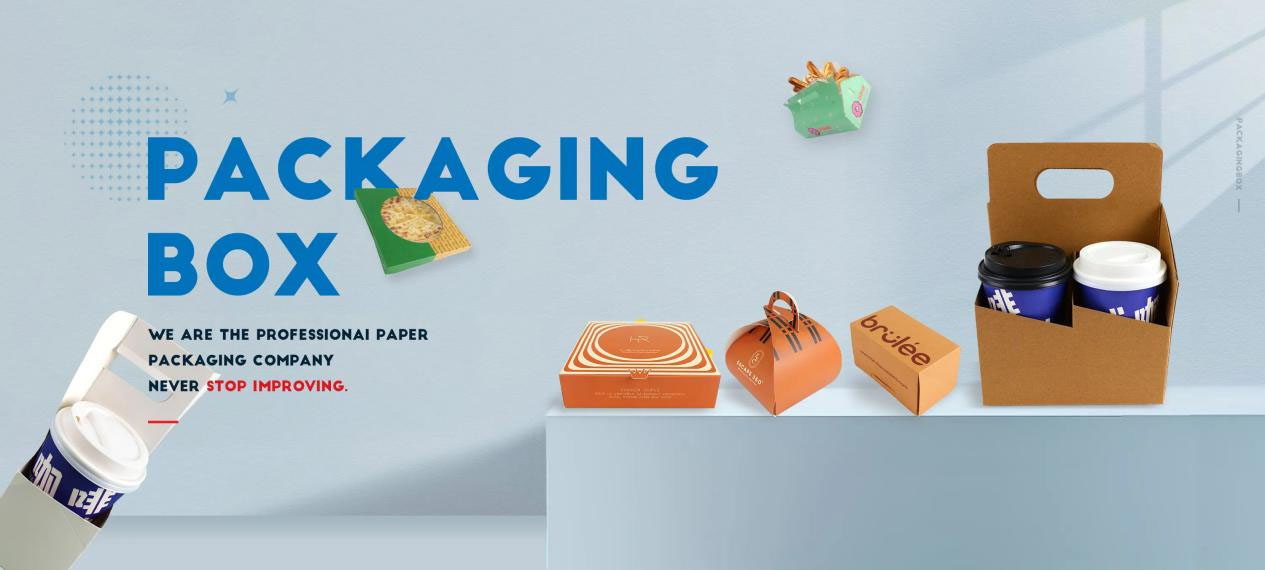
A key differentiator in the manufacturing process is the ability to provide comprehensive customization without compromising the integrity of the compostable materials. This involves not only the structural design of the container but also the use of eco-friendly inks and coatings. Advanced facilities featuring UV screen printing and automatic laminators allow for a level of finish that was previously difficult to achieve with sustainable substrates.
Service Advantages and the Path Forward
Beyond the technical specifications, the service model of a manufacturer plays a vital role in a successful partnership. A professional manufacturer acts as a consultant, helping clients navigate the transition from plastic to compostable alternatives. This includes advising on the best material for specific food types, ensuring the structural integrity of custom designs through rigorous prototyping, and managing the logistical complexities of international shipping.
The long-term value of such a partnership lies in reliability and consistency. Sencai has established a framework where quality control is integrated into every stage of production. From the initial design phase to the final quality check, the focus remains on meeting the stringent requirements of EN 13432 and ASTM D6400. This systematic approach reduces the risk of product failure and ensures that every batch delivered maintains the same high standards.
As the global community continues to prioritize the health of the planet, the role of certified, high-quality compostable packaging will only grow. For businesses looking to secure their place in a sustainable future, the choice of a manufacturing partner is one of the most consequential decisions they will make. By focusing on certified performance, technical innovation, and a proven track record of industry expertise, companies can successfully transition to eco-friendly solutions that satisfy both their operational needs and their environmental goals.
For more information on high-quality compostable packaging solutions, please visit: www.sencai-printing.com