Top 10 Cylinder Paper Box Manufacturers for Global Buyers
Choosing a reliable Cylinder Paper Box manufacturer requires more than attractive product photos and competitive prices. Global buyers must assess material quality, structural design, printing accuracy, production capacity, and export experience before placing an order. A polished sample can hide weak seams or inconsistent dimensions.
This guide presents ten manufacturers serving international packaging markets. Each company is considered through practical purchasing factors, including paperboard grades, finishing options, minimum order quantities, lead times, quality control, and communication. We also examine whether suppliers can provide prototypes, factory samples, packaging tests, and clear documentation for international shipments. These details matter when boxes must protect candles, cosmetics, tea, gifts, or premium retail products.
No supplier is perfect. That matters.
Manufacturing capabilities may change, and online information can become outdated. Buyers should confirm current certifications, pricing, production schedules, and shipping terms directly with each manufacturer. Independent sample approval remains essential, especially for custom sizes, metallic finishes, magnetic closures, or complex inserts. A trustworthy supplier should explain limitations instead of promising everything immediately.
The selection favors manufacturers with visible experience, consistent quality practices, responsive service, and scalable production. It also considers sustainability claims carefully, because recycled content and recyclable construction should be verified rather than assumed. Whether you need a small trial order or long-term global supply, this overview can help narrow the field and support a more informed decision. Take your time. Ask precise questions. Test before scaling.
Understanding Cylinder Paper Boxes and Their Common Applications
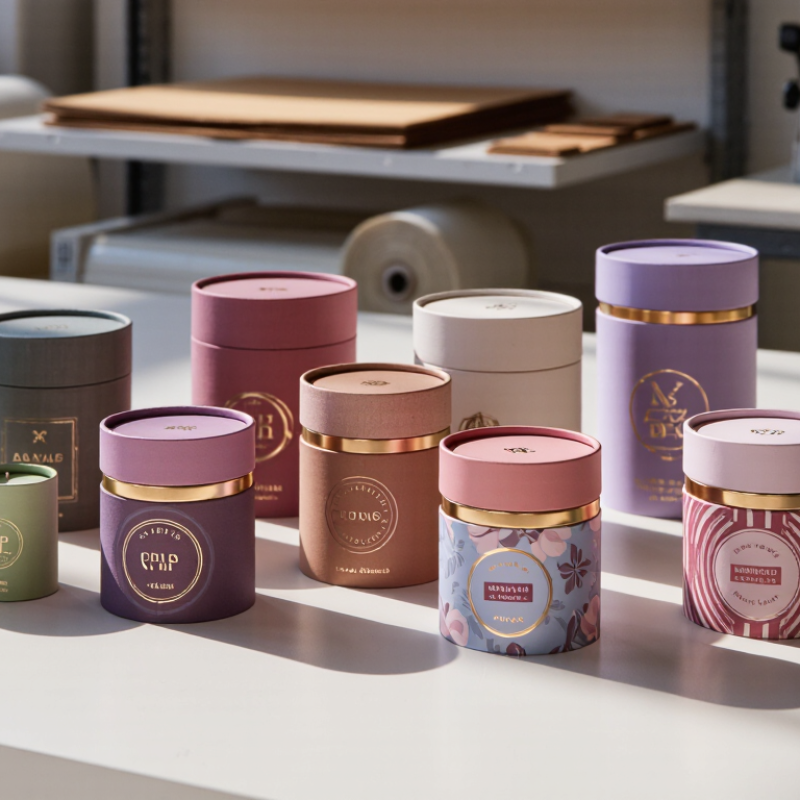
Cylinder paper boxes are rigid, tube-shaped packages made from wound paperboard layers. Their round profile gives products a distinctive shelf presence and protects them from light pressure. Common parts include a paper body, fitted lid, inner lining, and optional metal or plastic closure.
These boxes often package tea, coffee, spices, biscuits, candles, cosmetics, stationery, and small gifts. A tea tube may use an aluminum barrier layer to reduce moisture and aroma loss. A candle package needs stronger walls and a stable base. Cosmetic packaging usually depends more on print quality and surface feel. Food applications require suitable contact materials and documented safety testing.
For global buyers, accurate measurements matter more than attractive samples alone. Check the internal diameter, usable height, wall thickness, lid fit, and stacking strength. Drop tests can reveal weak seams that remain invisible during inspection. Moisture exposure may also distort untreated paperboard. A recyclable structure sounds ideal, but mixed materials can complicate local recycling systems. That detail is easy to overlook. Printing, embossing, and matte coatings change both cost and handling performance. Small orders may justify standard sizes, while larger volumes can support custom tooling. Packaging should match the product, shipping route, storage climate, and expected retail experience. A beautiful cylinder that absorbs humidity quickly is still a poor packaging choice.
Top 10 Cylinder Paper Box Manufacturers for Global Buyers — Understanding Cylinder Paper Boxes and Their Common Applications
Representative cylinder paper box diameters by common application
Cylinder paper boxes are used for products such as tea, cosmetics, candles, snacks, and gifts. The diameters shown are representative example formats in millimeters, not fixed industry standards; actual dimensions vary by product and supplier.
How to Evaluate Cylinder Paper Box Manufacturers
Choosing among the top 10 cylinder paper box manufacturers requires more than comparing catalog photos.
Start with material expertise, structural design, and documented production controls. Ask whether the supplier uses suitable paperboard grades, food-safe or cosmetic-safe coatings when required, and accurate die-cutting equipment. Request samples with your actual dimensions, closure style, and printed artwork.
Inspect the sample closely. Check the lid fit, seam strength, edge smoothness, color consistency, and resistance to light handling. A reliable manufacturer should explain tolerances, testing methods, and acceptable defect rates. Ask for certifications, factory audit records, and traceable material information. Clear answers matter.
Do not judge only by a beautiful prototype. A polished sample can hide weak batch control. Request a small pilot run before approving large production. Compare several units from that run, not just one. Review communication speed, revision accuracy, packing methods, and delivery records. A supplier that admits a limitation may be safer than one promising everything. I would also calculate shipping volume, because rigid cylindrical packaging can occupy more space than expected. That detail is easy to miss. Recheck it.
Profiles of 10 Cylinder Paper Box Manufacturers for Global Buyers
Global buyers can compare ten distinct cylinder paper box manufacturers by their strengths, controls, and production habits. One export-focused producer offers multilingual documentation and sturdy pallet packing. A second specializes in short runs, helping smaller brands test seasonal packaging. A high-volume factory uses automated winding lines for consistent diameter and faster delivery. Another focuses on recycled paper, with traceable fiber records and water-based adhesives. A premium workshop creates rigid cylinders with textured wraps, foil details, and fitted lids. A food-contact specialist maintains documented material controls and batch testing. One technology-led manufacturer uses digital printing for sharp graphics and quick artwork changes. A custom producer handles unusual heights, window placement, and protective inserts. A regional supplier supports urgent orders with nearby converting facilities. The tenth manufacturer emphasizes quality audits, sampling records, and corrective action reports.
Details matter. Ask each supplier for compression results, paper thickness, adhesive specifications, and closure tolerances. Request a physical sample before approving mass production. I have seen attractive prototypes fail when lids loosen during humid transport. That mistake is avoidable. Buyers should also review carton dimensions, stacking limits, moisture protection, and inspection methods. Reliable manufacturers explain their production schedule instead of promising impossible speed. They should identify responsible contacts for artwork approval and shipment updates. Some suppliers appear highly professional but provide vague test evidence. That deserves a careful question. Pricing should include tooling, printing plates, inserts, packaging, and replacement policies. A practical comparison sheet can reveal the real cost more clearly than a low unit quote.
Comparing Product Range, Customization, Quality, and Certifications
For global buyers, cylinder paper box manufacturers should be compared by more than appearance. Check whether each supplier offers rigid tubes, composite canisters, fitted lids, liners, and shipping cartons. Ask for dimensions, wall thickness, and closure options. A tube holding loose tea needs different moisture protection from one used for a dry gift set. Custom printing matters, but so do samples that match the final color and fit.
Quality claims need evidence. Request documented inspection steps, batch records, and test results for compression, lid fit, and print rub. Check whether an ISO 9001 quality-management certificate is current and covers the production site. FSC or PEFC chain-of-custody certification may help verify fiber sourcing, but buyers should confirm the certificate’s scope. CEPI’s Key Statistics 2023 reports a 79.3% paper recycling rate in Europe; this is useful context, not proof that a particular box is recyclable. Liners, adhesives, and mixed materials can change disposal options. Small details matter.
Tips: Send the same brief to every supplier: box dimensions, target quantity, print artwork, end use, and required certificates. Compare samples side by side under the same light. Keep one imperfect sample note; real production may vary.
How to Choose a Manufacturer for Your Packaging Requirements
Choosing a cylinder paper box manufacturer requires more than comparing prices. Start with material expertise, production experience, and clear quality records. Ask how the supplier handles paper strength, moisture resistance, printing accuracy, and lid fitting. A reliable manufacturer should provide samples before mass production.
Inspect a physical sample carefully. Check whether the tube stays rigid after light pressure. Examine the inner edge, seam, surface coating, and bottom closure. Measure the box against your product, especially when glass, cosmetics, or delicate goods require stable protection. Request test data when packaging must endure shipping, stacking, or changing temperatures.
Communication also matters. Confirm minimum order quantities, sample fees, lead times, artwork requirements, and inspection procedures in writing. Ask for photographs from real production lines, not only polished catalog images. Factory visits or independent inspections can reveal important details. Sometimes, a low quote hides weaker paper or inconsistent assembly. I learned that an attractive prototype can still fail during longer production runs. That possibility deserves attention.
Choose a manufacturer that explains problems clearly instead of promising perfection. Discuss recyclable materials, responsible sourcing, and compliant inks for your target markets. Suppliers serving global buyers should understand export documentation and packaging regulations. Yet, do not assume every certificate proves current performance. Verify dates, testing scope, and issuing organizations before approving the order. A small pilot run may cost more initially, but it can expose design flaws before thousands of boxes are produced.




 +86-4000-808176
 +8618059761903